


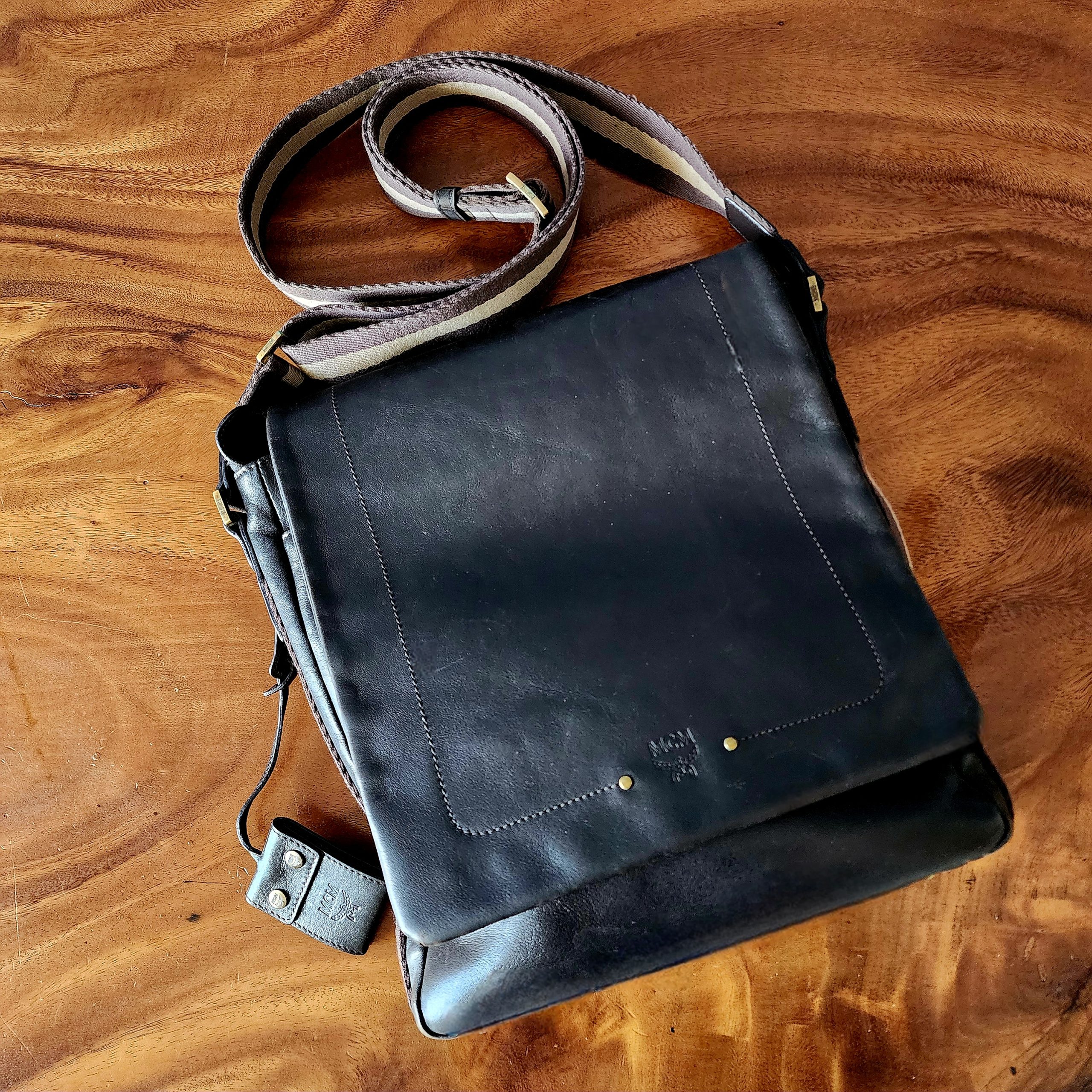
Vintage handbags can be worth thousands of dollars, but not every old purse becomes a valuable treasure. Certain designer handbags hold their value or even increase in worth over time because of factors like brand reputation, condition, rarity, and demand among collectors. The vintage handbag market has become similar to other collectible markets, where specific pieces appreciate while others lose their value.
Some luxury handbags from brands like Hermès, Chanel, and Louis Vuitton have shown impressive returns for their owners. However, the resale value depends on multiple elements that buyers and sellers need to understand. The market for these items has changed over the years as more people view vintage handbags as wearable investments rather than just fashion accessories.
This guide explains what makes vintage handbags valuable and how the current market affects their worth. Readers will learn about the specific characteristics that help handbags maintain their value and what trends might shape future prices. Anyone who owns vintage handbags or considers buying them can benefit from understanding these key factors.
Factors Influencing Vintage Handbag Value
The worth of a vintage handbag depends on three main elements that collectors and buyers examine closely. Brand heritage, scarcity, and the bag’s physical state all play major roles in determining what someone will pay.
Brand Reputation and Prestige
Certain luxury brands maintain their worth better than others in the vintage market. Hermès, Chanel, and Louis Vuitton consistently command high prices because buyers recognize their quality and history. These brands built their reputations over decades through skilled craftsmanship and exclusive designs.
A vintage bag from Fashionica or similar retailers often comes from these established houses. The brand name acts as a guarantee of quality materials and construction methods. Lesser-known brands rarely hold value unless they offer unique historical significance.
Market demand shifts based on what collectors want at any given time. However, the most prestigious brands remain stable investments. Their pieces from past decades often sell for more than their original retail prices.
Rarity and Limited Editions
Production numbers directly affect how much a vintage handbag sells for today. Brands sometimes create special releases with only a few hundred pieces made. These limited runs become more valuable as years pass and bags get lost or damaged.
Discontinued styles gain appeal among collectors who want something unique. A bag that was mass-produced decades ago holds less value than one made in small quantities. Special collaborations between designers or brands also increase rarity.
Colors and materials matter too. Unusual leather types or rare color combinations fetch higher prices than standard black or brown versions. The fewer examples that exist in good shape, the more buyers will pay to own one.
Condition and Authenticity
The physical state of a vintage handbag can make or break its value. Buyers look for bags with minimal wear on corners, clean interiors, and intact hardware. Original dust bags, boxes, and authentication cards add value to the package.
Damage reduces worth significantly. Stains, tears, broken zippers, or missing parts lower the price a seller can ask. Some wear shows authentic age, but excessive damage makes a bag hard to sell.
Authenticity verification protects buyers from counterfeits. Professional authentication services examine stitching, hardware stamps, and serial numbers. Real vintage bags have specific details that fakes cannot replicate perfectly. Proof of authenticity through receipts or expert evaluation increases buyer confidence and final sale prices.
Market Trends and Future Value of Vintage Handbags
The vintage handbag market has grown steadily over the past decade, with certain styles and brands that show strong appreciation in value. Fashion cycles and collector demand shape which pieces become profitable investments for buyers.
Historical Performance in Resale Markets
Vintage luxury handbags have demonstrated consistent growth in resale markets since 2015. Classic styles from brands like Hermès and Chanel often sell for 20-30% above their original retail prices in the secondary market. For example, a Chanel Classic Flap from the 1990s typically commands prices between $4,000 and $8,000 today, compared to its original $2,000 price tag.
The resale market reached record growth in 2025. More buyers now view vintage bags as stable assets rather than just fashion accessories. The shift happened because people recognize that quality craftsmanship from earlier decades often surpasses current production standards.
Platform sales data reveals that bags from the 1980s through early 2000s perform particularly well. These decades produced pieces with superior leather quality and construction methods that have stood the test of time. Limited edition releases and discontinued styles tend to appreciate faster than bags still in production.
Influence of Fashion Trends
Fashion cycles directly impact which vintage styles gain value at any given time. The 1990s minimalist aesthetic returned to popularity in 2024, which drove up prices for simple leather bags from that era. Similarly, the Y2K trend increased demand for early 2000s designs.
However, certain classic silhouettes remain valuable regardless of current trends. Structured top-handle bags and quilted flap styles maintain steady prices across different fashion cycles. These timeless designs appeal to buyers who seek long-term value rather than trendy pieces.
Social media has changed how quickly vintage styles gain attention. A single post from a fashion influencer can spike demand for specific bag styles within days. This rapid shift creates opportunities for informed collectors but also adds volatility to certain market segments. Buyers should focus on quality and craftsmanship over temporary trend spikes.
Investment Potential Over Time
Vintage handbags offer moderate investment returns compared to traditional assets. Research shows that select designer handbags can appreciate 5-15% annually, though this varies widely by brand and style. Hermès Birkin bags represent the strongest performers, with some rare colors and sizes that double in value over five years.
The investment approach requires patience and knowledge. Buyers must understand authentication, condition assessment, and market timing to see returns. Storage conditions affect long-term value, as leather deteriorates in poor environments.
Three factors determine investment potential: brand heritage, rarity, and condition. Bags that score high in all three categories tend to hold value best. For instance, a well-preserved limited edition piece from a heritage brand will likely appreciate more than a common style in fair condition. Sustainability concerns and blockchain authentication technology may further boost the vintage market through 2026 and beyond.
Conclusion
Vintage handbags hold their value through a blend of rarity, quality, and timeless appeal. The best investments come from brands with strong histories, limited production runs, and classic designs that never go out of style. Buyers should focus on condition, authenticity, and provenance to protect their investment. With proper care and informed selection, vintage handbags can appreciate over time while newer releases often lose value quickly. These pieces serve as both functional accessories and smart financial assets for collectors who understand the market.