
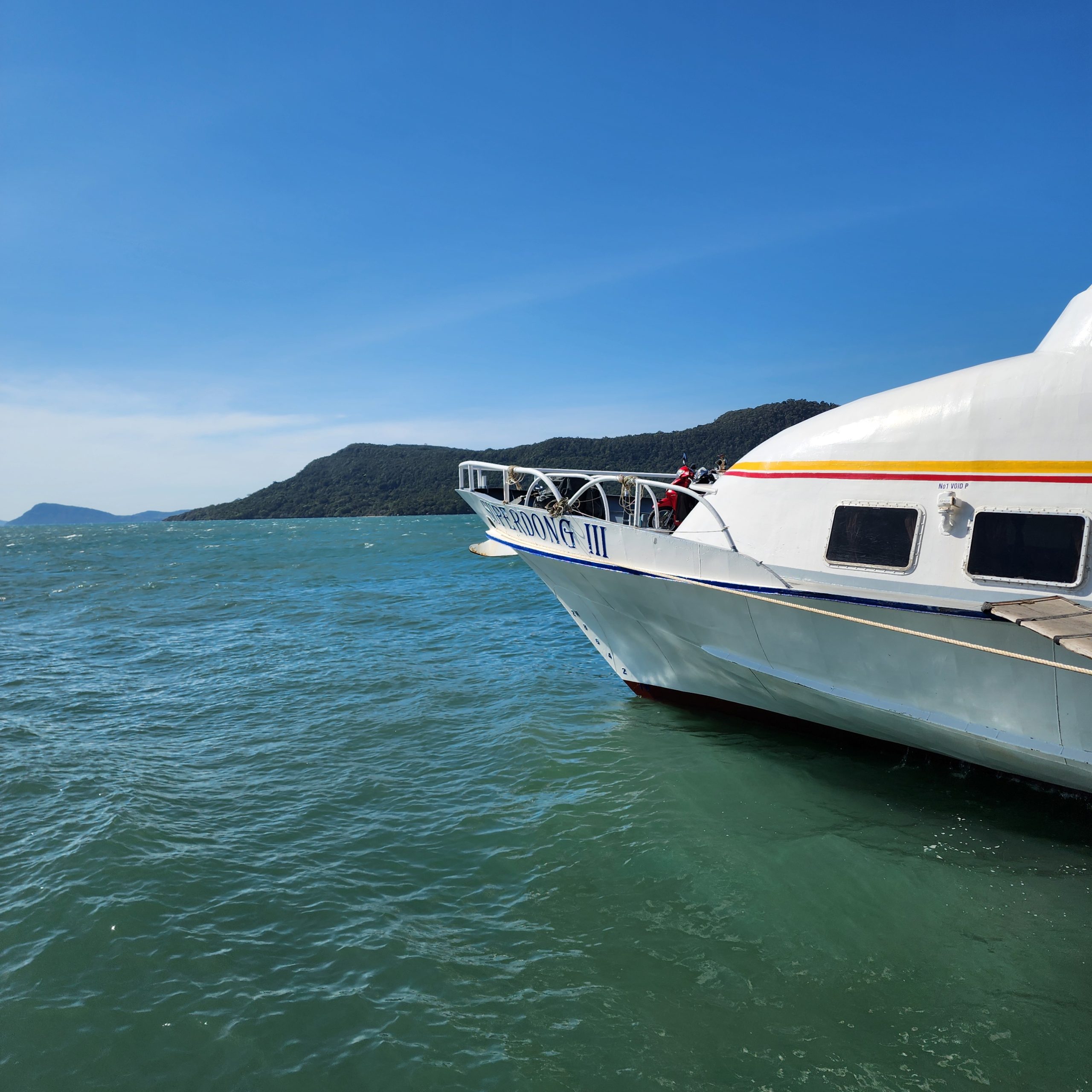
Owning a watercraft brings freedom, fun, and time on the water with family and friends. Whether you enjoy calm lake cruises or offshore adventures, it is important to protect your boat and yourself. Coverage for watercraft owners helps manage risks like accidents, damage, theft, and liability.
This guide explains what coverage is, what it includes, and how to choose the right plan. The goal is to keep things simple, clear, and easy to understand.
What Is Watercraft Coverage?
Watercraft coverage is a type of insurance designed to protect boats and personal watercraft. It helps pay for repairs, replacements, and legal costs if something goes wrong. Coverage can apply to many types of vessels, including fishing boats, pontoons, sailboats, yachts, and jet skis.
Policies are built to cover both physical damage and liability. Physical damage helps repair or replace your boat and liability helps cover injuries or property damage you may cause to others. Together, these protections reduce financial stress after an accident.
Who Needs Watercraft Coverage?
Most watercraft owners benefit from having coverage. Even small boats can cause costly damage or injuries. If you own any vessel that uses a motor, travels at speed, or carries passengers, coverage is strongly recommended.
Some marinas and lenders require proof of insurance. If your boat is financed, coverage may be mandatory. Even if it is not required, having coverage offers peace of mind every time you head out on the water.
Common Types of Watercraft Covered
Watercraft coverage is flexible and can protect many different types of boats. The type of vessel you own often affects the coverage limits, costs, and options available. Knowing how your boat fits into these categories helps you choose the right protection
- Fishing boats used on lakes
- Pontoon boats for leisure cruising
- Sailboats with or without engines
- Yachts for longer trips
- Personal watercraft like jet skis
Each type may have different coverage limits and rules. Larger or faster vessels usually need higher limits.
Physical Damage Coverage Explained
Physical damage coverage helps pay to fix or replace your boat if it is damaged. This can include damage from collisions, storms, fire, or vandalism. Some policies also cover sinking or grounding.
There are two main ways damage is covered. Actual cash value pays the boat’s value after depreciation.
Agreed value pays a set amount listed in the policy. Agreed value often costs more but offers clearer payouts.
Liability Coverage and Why It Matters
Liability coverage protects you if you are responsible for injury or damage to others. This can include medical bills, repair costs, and legal fees. Accidents on the water can be serious, and liability claims can be expensive.
Even careful operators can face accidents due to weather, waves, or other boaters. Liability coverage helps protect your savings and income if a claim is made against you.
Medical Payments Coverage
Medical payments coverage helps pay for injuries to you or your passengers. It can cover hospital visits, doctor fees, and related costs. This coverage applies regardless of who is at fault.
This option is helpful because injuries on the water can happen quickly. Slips, falls, and sudden movements are common risks. Medical payments coverage offers quick support after an accident.
Coverage for Theft and Vandalism
Boats can be targets for theft or vandalism, especially when stored outdoors or at marinas. Coverage may help replace stolen equipment or repair damage caused by vandals.
Items like motors, electronics, and trailers are often included. Always check the policy to see what items are covered and if limits apply. Adding extra protection for high-value gear may be wise.
Coverage While Towing or Transporting
Many owners tow their boats by trailer. Coverage can extend to damage that occurs during transport. This may include accidents on the road or damage while loading and unloading.
Some policies also cover boats while stored off-season. This is important if you keep your vessel in a garage, yard, or storage facility. Protection should apply both on and off the water.
Navigational Limits and Usage Rules
Most policies set navigational limits. These limits define where you can operate your boat and still be covered. Common limits include inland waters, coastal areas, or specific distances offshore.
Usage rules may also apply and coverage can differ for personal use versus commercial use. Racing, charters, or rentals may not be covered unless added to the policy. Always review these limits before setting sail.
Understanding Deductibles and Limits
A deductible is the amount you pay out of pocket before coverage applies. Higher deductibles usually result in lower premiums. Lower deductibles mean higher premiums but less upfront cost after a claim.
Coverage limits are the maximum amounts the policy will pay. Choose limits that match your boat’s value and your risk level. Underinsuring can leave gaps, while over insuring may raise costs.
Why Location Matters for Watercraft Owners
Location plays a big role in coverage needs. Coastal areas face higher risks from storms and saltwater damage. Busy waterways increase accident risk. Storage conditions also matter.
For owners in coastal states, learning more about boat insurance in Florida can help you understand coverage options that match local conditions. This includes storm protection and navigational limits suited to the region.
How to Choose the Right Policy
Start by listing how you use your boat. Think about where you go, how often you travel, and who rides with you. Match coverage to these habits.
Compare policies from trusted providers and look at coverage details, not just price. A lower premium may come with lower limits or more exclusions. Reading the fine print helps avoid surprises.
Filing a Claim: What to Expect
If an incident occurs, report it as soon as possible. Document damage with photos and notes. Keep receipts for repairs or medical care.
The claims process usually involves an inspection and review. Clear communication helps speed things up. Knowing your policy details makes the process smoother.
Reviewing and Updating Your Coverage
Your needs can change over time. New equipment, upgrades, or changes in usage may require updates. Review your policy at least once a year.
Updating coverage ensures you stay protected as your boating lifestyle evolves. It also helps keep limits aligned with current values.
Protecting Your Time on the Water
Watercraft ownership should be enjoyable, not stressful. The right coverage helps protect your boat, your passengers, and your finances.
Consult with a trusted provider, ask questions, and select protection that suits your lifestyle. Taking action today helps ensure safe and confident adventures on the water tomorrow.
Got questions? We’ve got answers! Check out our blog for loads of interesting and helpful content today!