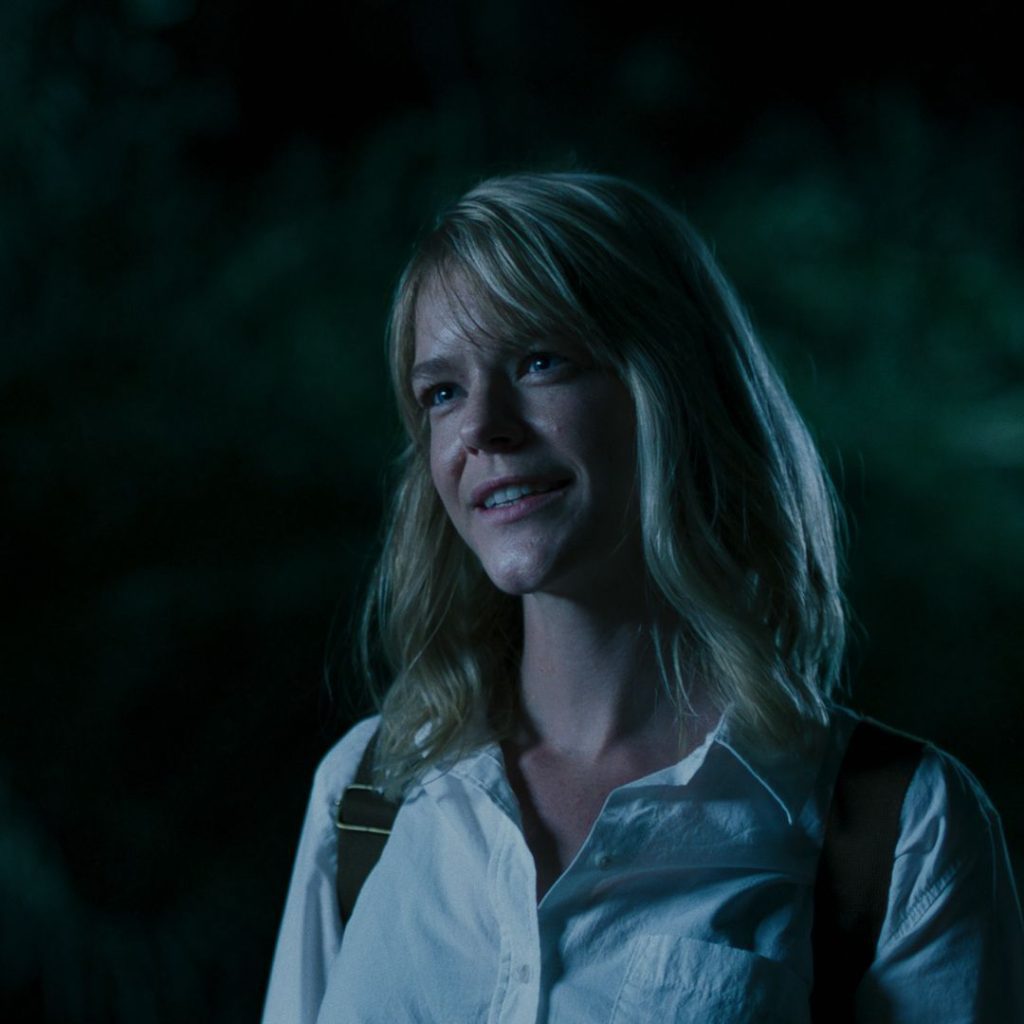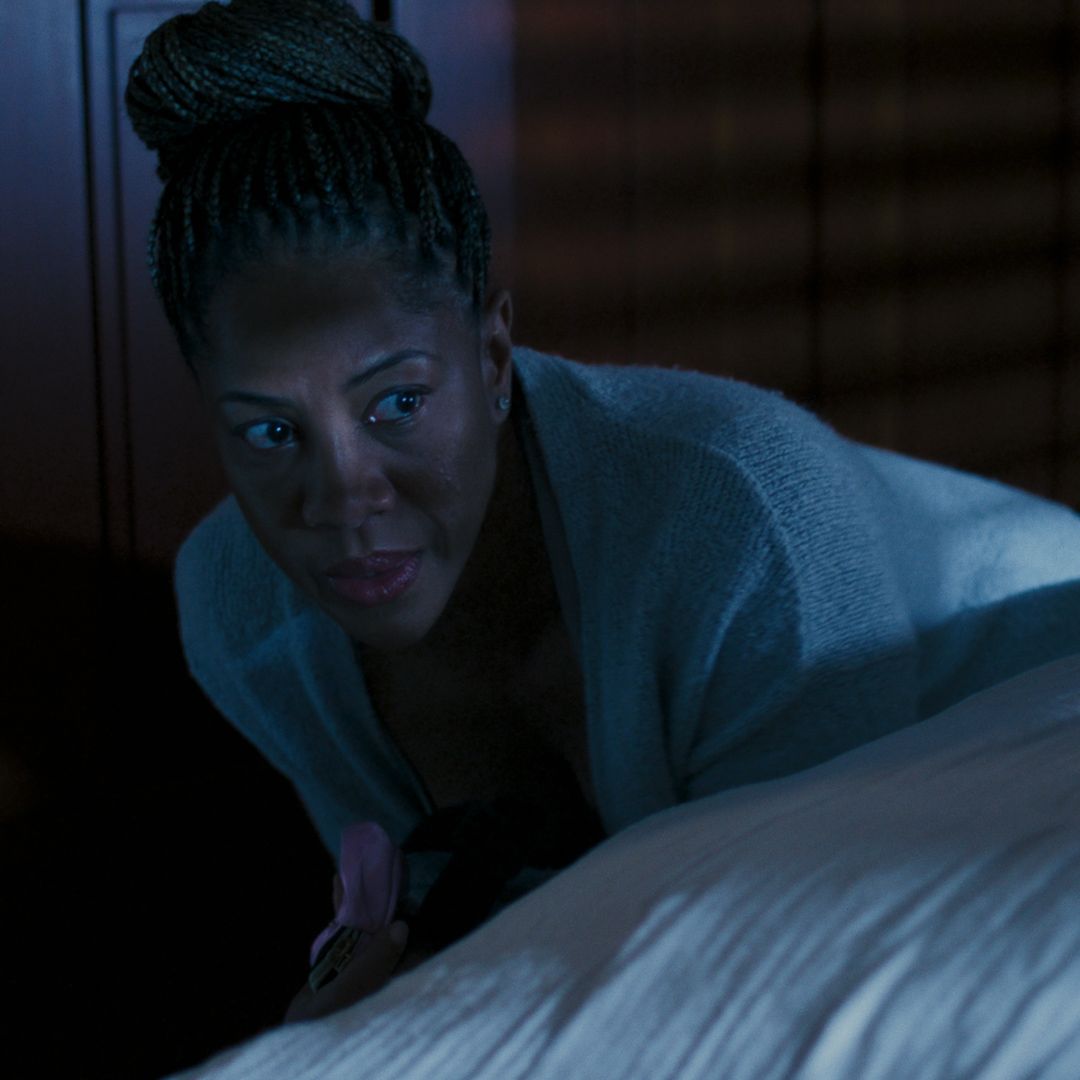


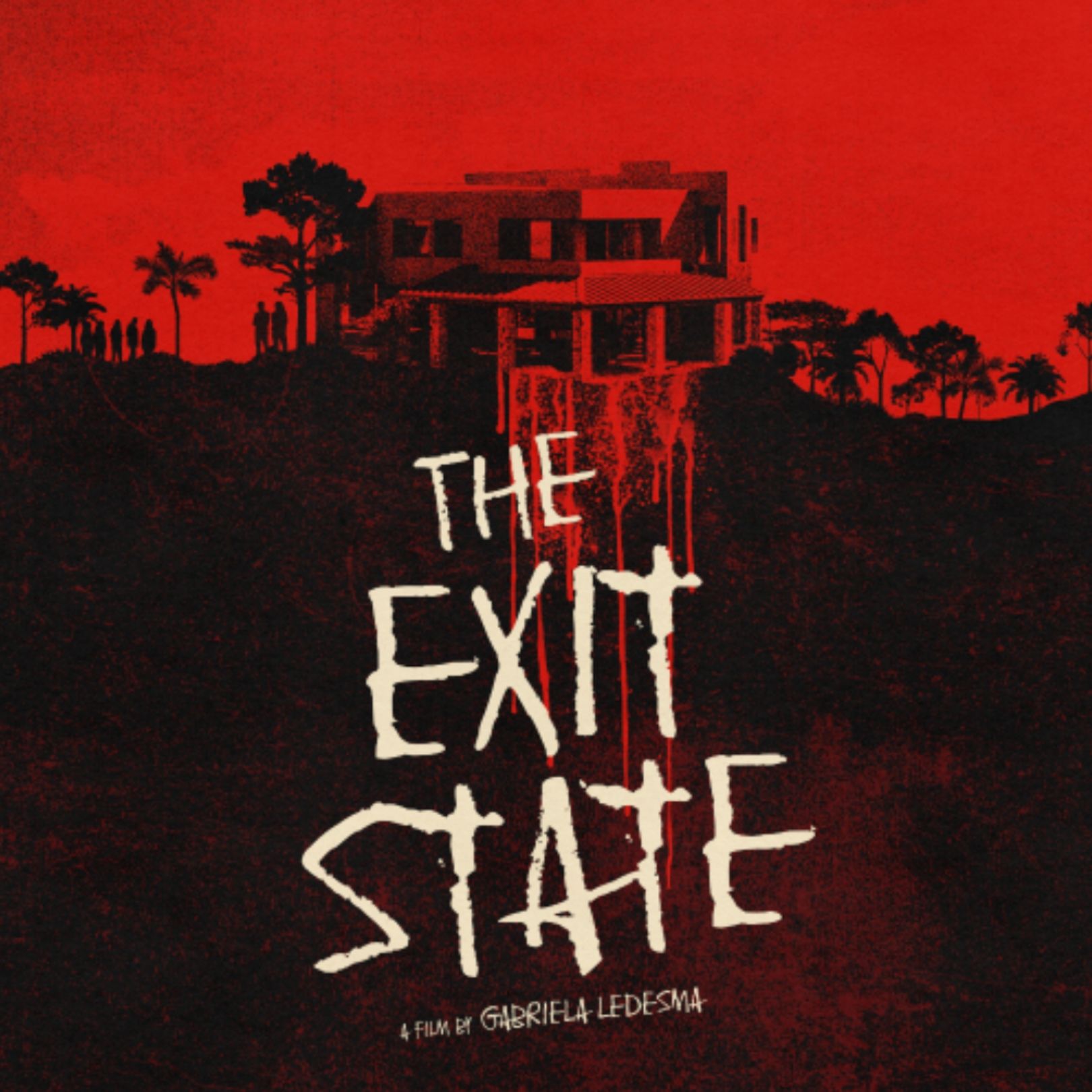
Horror has always been a flexible language. It can be intimate or expansive, political or deeply personal. The Exit State, directed by Gabriela Ledesma, uses that flexibility to examine what happens when systems designed to protect begin to quietly fail, and when survival depends less on rules than on proximity to power.
Set against the backdrop of a nation in prolonged crisis, the film follows a group of people attempting to leave their country in search of safety. The details of that journey remain deliberately restrained, but the atmosphere is unmistakable. Uncertainty is constant. Trust becomes unstable. The film builds tension not just through threat, but through the slow realization that safety is conditional and often arbitrary.
For Ledesma, horror was the only genre capable of holding those ideas without simplifying them.
“Horror felt like the only honest language for this story,” she explains. “The world of The Exit State is built around survival and complicity. From a global view, the system isn’t driven by cruelty as much as indifference, and that indifference is what’s truly terrifying.”
The film is led by Callie Schuttera and Josh George, whose characters function as leadership figures within the group’s uncertain journey. They are joined by Weapons standout Clayton Farris and an ensemble cast that includes Sharon Lawrence, Jeremy D. Howard, Nikki Dixon, Cindy Nguyen, and Stakiah Lynn Washington. Rather than positioning its characters as heroes or emotional anchors, The Exit State presents a spectrum of responses to collapse, ranging from denial and opportunism to complicity and survival.
One of the film’s highlights comes from Clayton Farris as Andrew Montebello. Delivering some of the film’s sharpest comedic beats within a tense, high pressure world, Farris’ performance is precise rather than indulgent. The character draws clear DNA from his viral social media work, particularly the “that one rich couple” sketches, using humor to expose privilege, detachment, and absurdity. The result is a performance that entertains while reinforcing the film’s broader social themes.
Schuttera, who co-wrote the script with Gabriela Ledesma and Josh George under their banner Poison Pictures, describes the project as a defining one for all three of them.
“After Weapons, I felt an undeniable pull toward making more horror,” she says. “It’s a genre that can hold so many themes and subgenres within it. The Exit State quickly became my favorite Poison Pictures project. Gabby, Josh, and I knew the script was special the moment it was finished, and bringing it to life has been incredibly meaningful.”
Premiere plans for the film are being kept under wraps, but The Exit State positions itself less as a conventional horror film and more as a confrontation with a shared global anxiety. The fear of losing freedom. The fragility of institutions assumed to be permanent. The quiet terror of realizing that protection is not guaranteed.
Rather than offering comfort or catharsis, The Exit State allows its tensions to linger.