


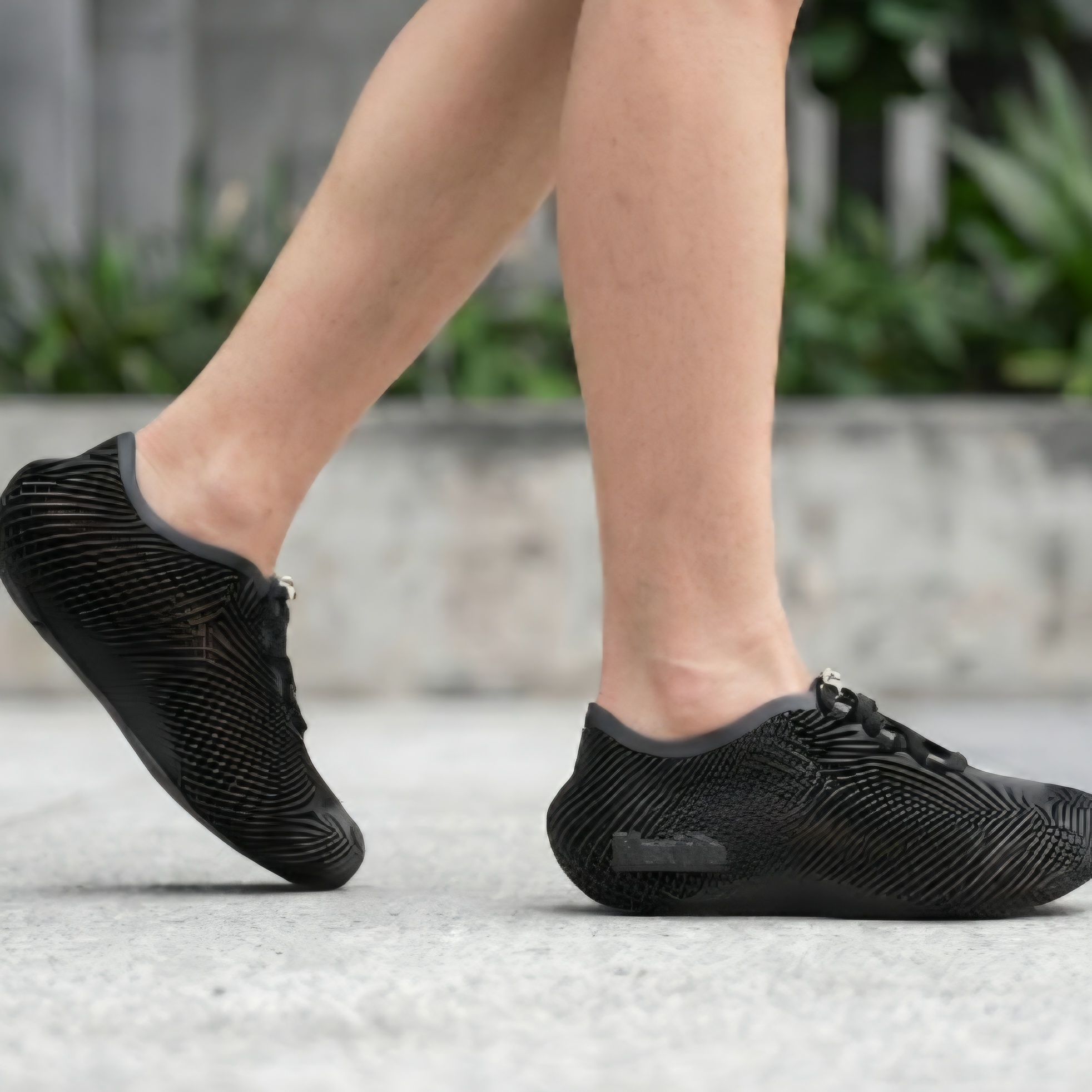
City walking puts different demands on your shoes than a short walk around the neighborhood. A normal weekday might include a walk to the train station, stairs, hard sidewalks, office floors, grocery shopping, and several hours of standing. Today, everyday walking footwear ranges from traditional foam-based sneakers to newer options such as 3D printed shoes, which use engineered structures to balance cushioning, airflow, support, and weight.
The best shoes for city walking need to handle all of these situations without feeling heavy, stiff, or uncomfortable by the end of the day.
For commuting and everyday errands, focus on cushioning, support, weight, grip, breathability, and easy maintenance. These features matter more than choosing shoes based on appearance alone.
Nexbie Aeroraise: Best Shoes for Everyday City Walking
For people interested in an alternative to conventional foam-based sneakers, Nexbie uses 3D printing to build cushioning and support directly into the shoe structure.
The Aeroraise 3D printed sneakers use a one-piece polyurethane-urea lattice rather than a conventional combination of foam midsole, layered upper, and adhesive-based construction.
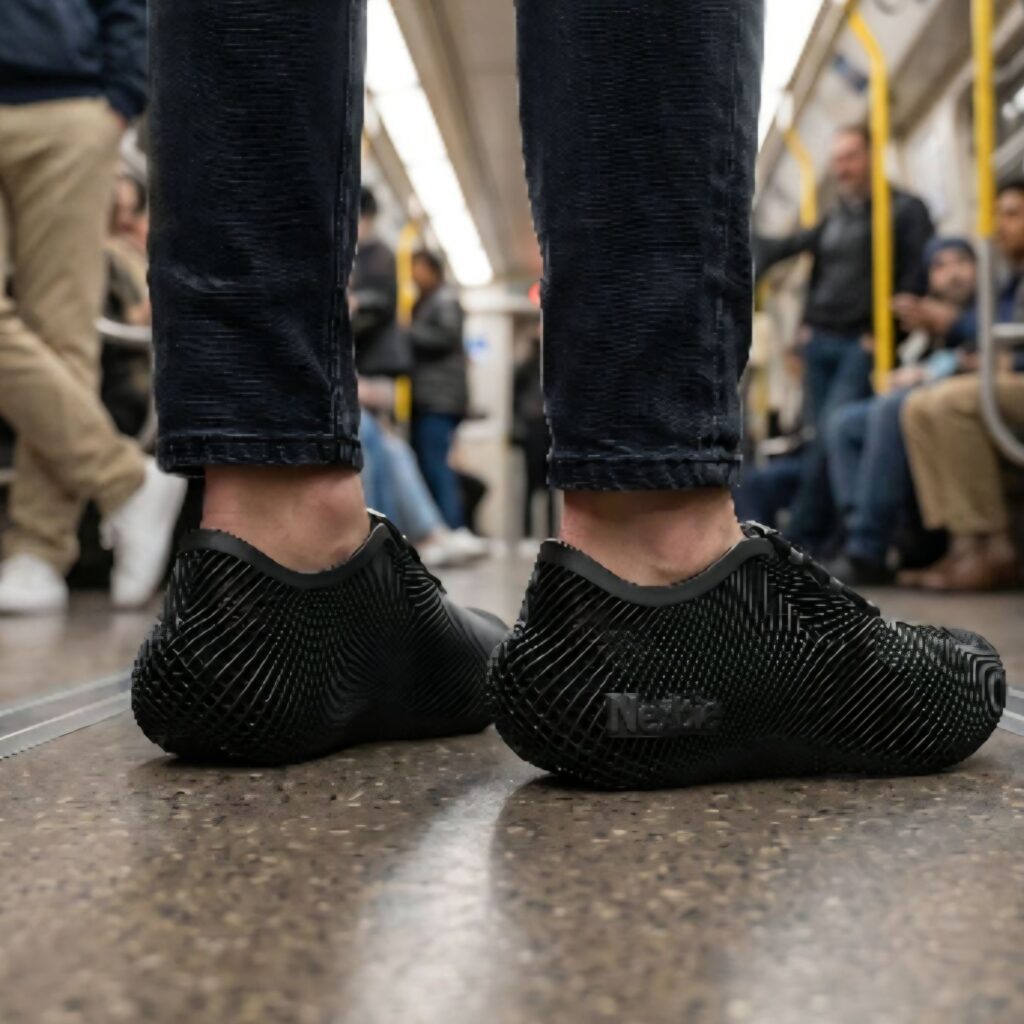
Several features make Aeroraise relevant for city walking, commuting, and everyday errands.
Lightweight Construction
Aeroraise weighs about 664 g per pair on average, or roughly 332 g per shoe.
This places it within a practical lightweight range for everyday sneakers while maintaining a full lattice structure underfoot.
For commuters who spend long periods walking between stations, offices, stores, and other destinations, reducing unnecessary shoe weight helps make repeated steps feel less cumbersome.
Built-In Cushioning and Support
The printed lattice uses different structural densities across the shoe.
Denser sections provide support around areas such as the arch, while more flexible areas compress under pressure to provide cushioning.
The material also retains about 92% of its cushioning performance after 100,000 flex cycles, which helps reduce the gradual flattening associated with some softer materials.
360-Degree Airflow
One of the most distinctive features is the approximately 80% open lattice structure.
Air moves through the shoe from multiple directions rather than relying only on mesh panels in the upper.
For warm commutes, long city walks, or users whose feet tend to feel hot after several hours, this open construction provides a different approach to ventilation.
Easy Cleaning and Quick Drainage
Urban shoes get dirty quickly.
Aeroraise uses a one-piece, glue-free structure that is machine washable and easy to rinse. The open lattice also lets water drain rather than remain trapped inside thick padding.
This makes maintenance simpler for people who use the same shoes frequently for commuting and errands.
What Makes a Good Shoe for City Walking?
Urban walking involves frequent stops, changes in direction, uneven pavement, hard flooring, and longer periods on your feet.
Unlike hiking shoes, city shoes do not need aggressive tread or heavy protection. They should instead balance comfort and versatility.
Good city walking shoes should provide:
- Enough cushioning for concrete and hard floors
- Stable support through the heel and arch
- A lightweight feel for long walking days
- Reliable traction on sidewalks and smooth floors
- Breathable construction
- Enough toe room for natural movement
- Easy cleaning for daily use
The right balance depends on your routine, but these factors provide a practical starting point.
1. Choose Cushioning for Hard City Surfaces
Concrete, tile, pavement, and station floors provide little natural shock absorption.
When you walk several miles across hard surfaces, your shoes need to reduce repeated impact under the heel and forefoot.
Look for cushioning that compresses slightly under pressure while still feeling stable. Extremely soft shoes sometimes feel comfortable during the first few minutes but become less stable during longer walks.
For everyday city use, cushioning should support repeated steps without making your feet feel disconnected from the ground.
A supportive midsole or structured cushioning system also helps when your day includes both walking and long periods of standing.
2. Look for Support Around the Arch and Heel
Support becomes more important as walking time increases.
Your shoes should hold the heel relatively securely and provide enough structure through the middle of the foot. This helps control excessive movement inside the shoe while distributing pressure more evenly.
Arch support should feel natural rather than aggressive. A support point that is too high or positioned incorrectly often creates discomfort instead of reducing it.
People who commute on foot or stand for long periods at work should pay particular attention to this area.
3. Keep Weight Under Control
Heavy shoes add unnecessary weight to every step.
For everyday walking shoes, a useful guideline is to look for models weighing around 350 g or less per shoe, depending on shoe size. Shoes under 300 g often feel particularly light during long commutes and travel.
Weight should never come at the expense of basic support, though.
An extremely thin shoe might weigh less but provide limited cushioning on pavement. The better option is a shoe that reduces unnecessary material while keeping enough structure underfoot.
4. Check the Outsole for Urban Grip
City surfaces change constantly.
You might walk across dry sidewalks, polished station floors, wet pavement, tiled building entrances, and painted road markings during one commute.
For this reason, city shoes need dependable outsole contact.
Look for:
- Textured tread
- A stable heel base
- Enough outsole coverage
- Rubber or another durable contact material
- Grooves that help maintain flexibility
You usually do not need deep hiking-style lugs. A lower-profile tread often works better for urban environments because it provides more surface contact on flat ground.
Wet tiles and smooth floors deserve particular attention, especially if your commute involves train stations, malls, or office buildings.
5. Prioritize Breathability for Long Days
Your feet generate heat during walking, even in mild weather.
If your shoes trap too much heat and moisture, they often become uncomfortable after several hours.
Breathable mesh, engineered knit, perforated materials, and open structures help improve airflow.
This matters most if you:
- Walk to work
- Use public transportation
- Travel frequently
- Live in a warm climate
- Wear the same shoes from morning until evening
Breathability also helps shoes dry faster after light rain or cleaning.
6. Make Sure the Fit Works for Walking
City walking involves thousands of repeated steps, so even a small fit issue becomes noticeable.
Your toes need enough room to move naturally without excessive sliding. The heel should stay secure, and the sides of the shoe should not create pressure points.
When trying on walking shoes, wear the same type of socks you normally use.
Walk for several minutes and check for:
- Heel slipping
- Toe pressure
- Rubbing around the ankle
- Pressure under the arch
- Excess movement inside the shoe
If you regularly walk long distances, a slightly roomier toe box often feels better than a narrow fashion-oriented shape.
7. Consider Shoes That Are Easy to Clean
City shoes encounter dust, dirty sidewalks, puddles, public transportation, and occasional spills.
For daily footwear, cleaning should not become a complicated process.
Look for materials that wipe, rinse, or wash easily. Machine-washable construction is especially useful for shoes worn several times each week.
Quick-drying materials also help if you rely on one pair for commuting and daily errands.
City Walking Shoes vs. Running Shoes
Running shoes work well for some people, but they are not always necessary for everyday urban walking.
Running footwear often includes features designed for forward motion, higher impact, and faster movement. City walking places greater emphasis on stability, comfort at slower speeds, standing, and versatility.
For commuting and errands, focus more on:
- Stable cushioning
- Comfortable fit
- Moderate flexibility
- Good urban traction
- Breathability
- Easy maintenance
Choose shoes according to your actual routine rather than assuming a running shoe automatically works best for walking.
Final Thoughts
The best shoes for city walking should make long days easier without adding unnecessary bulk.
Start with cushioning and fit. Then compare arch support, weight, breathability, grip, and cleaning requirements.
For regular commuting and errands, a shoe under roughly 350 g per foot with stable cushioning, dependable grip, and enough ventilation offers a strong starting point.
Traditional walking sneakers remain a solid option, while newer designs such as Nexbie Aeroraise use 3D printed lattice construction to combine lightweight structure, airflow, cushioning, and easy cleaning in a different way.
The best choice depends on how much you walk, where you walk, and how long you expect to stay on your feet each day.