


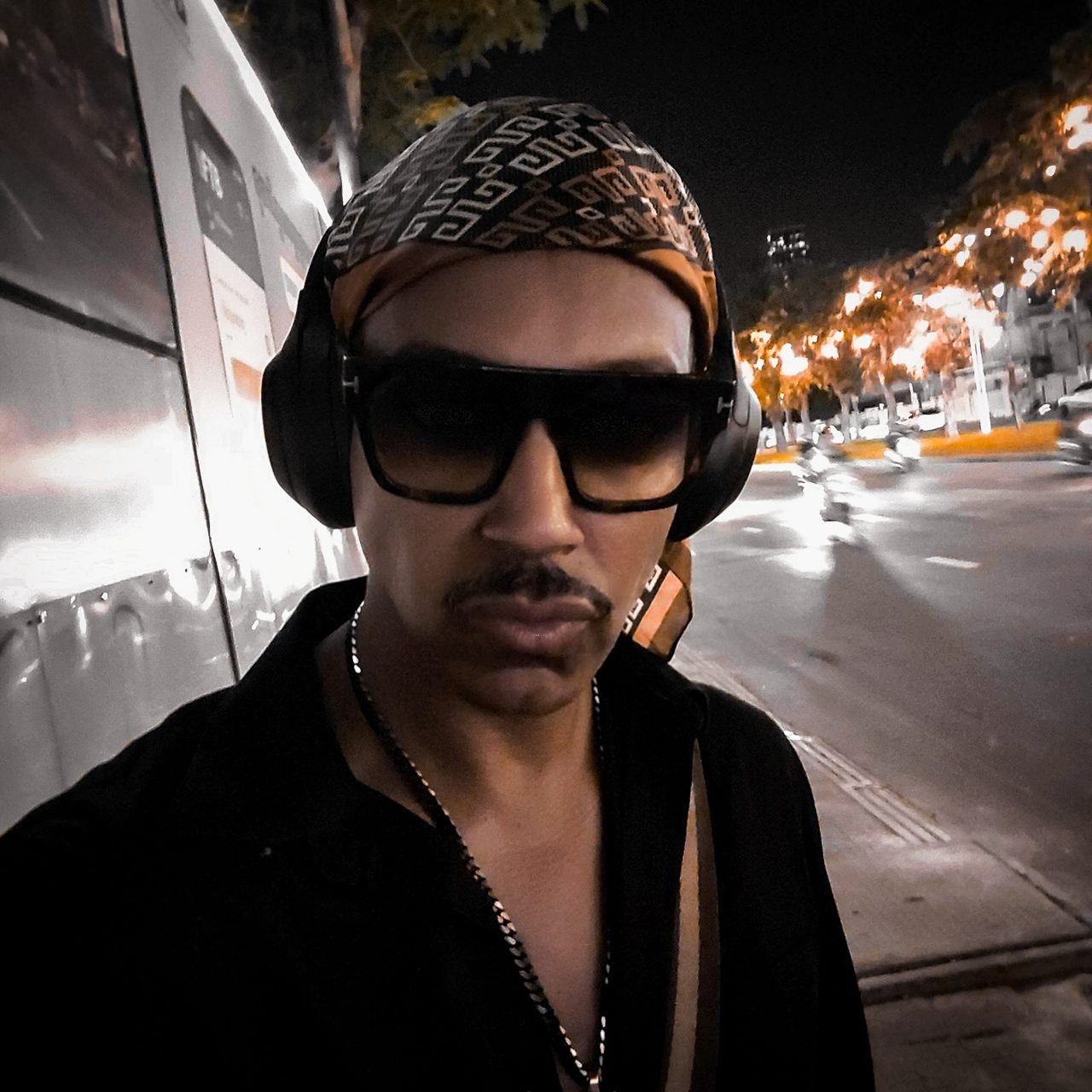
Walk across any campus quad, student union, or dorm hallway, and you’ll likely hear the unmistakable beats of hip-hop spilling from speakers. It’s more than just background noise. For today’s students, hip-hop is a cultural lifeline, a way to connect, express identity, and navigate academic and personal challenges. In the middle of discussions about campus resources and academic tools, many also reach for the research paper helper PaperWriter.com to manage their workload while keeping their headphones on. Music fills their days as much as assignments do, shaping how they think, study, and build communities.
The Rise of Hip-Hop on Campus
Hip-hop has evolved from a street-born art form into a dominant cultural force that touches nearly every corner of student life. Gen Z students, many of whom grew up during hip-hop’s mainstream explosion in the 2010s, have brought this genre into their lecture halls, libraries, and late-night study sessions.
Streaming platforms have made it easier than ever to discover new artists, subgenres, and local sounds. Playlists shift from mellow lo-fi beats for studying to high-energy trap anthems for parties. This adaptability allows hip-hop to accompany students through every part of their routine from early morning commutes to intense exam preparation.
Expression and Identity
For many students, hip-hop is more than a playlist. It’s a language of identity and belonging. Lyrics often reflect themes of ambition, resilience, and self-definition, resonating deeply with young people navigating college life. Students use fashion, slang, and music preferences to craft their identities on campus, and hip-hop provides the cultural vocabulary to do it.
In classroom discussions, hip-hop often surfaces as a lens for examining social issues, literature, and politics. Courses on music history, African American studies, and sociology use rap lyrics to analyze race, inequality, and activism. Beyond the classroom, open mic nights and campus rap battles give students platforms to speak their truths in their own voices.
A Shared Cultural Space
One of hip-hop’s most powerful impacts on college life is its ability to bring people together. Parties, club meetings, and spontaneous freestyle circles turn music into shared cultural spaces. Students from diverse backgrounds can connect over a shared beat, even if their personal stories differ.
Campus radio stations, student DJs, and performance collectives often focus on hip-hop, showcasing both global superstars and underground talent. These spaces allow students to explore their creativity and build friendships outside of traditional academic settings.
Academic Motivation and Study Soundtracks
While hip-hop is often associated with social scenes, its role in academics is surprisingly strong. Many students create customized study playlists, often choosing instrumental versions of hip-hop tracks to maintain focus during long hours of writing or revising. The rhythmic structure and consistent beats can help sustain concentration, making tasks like reading dense articles or drafting essays feel more manageable.
Some students gravitate toward conscious rap or lyrically rich tracks during reflective study sessions, finding motivation in stories of perseverance. Others prefer the drive of fast-paced trap instrumentals to keep energy levels up while working late.
Activism and Social Awareness
Gen Z is known for its activism, and hip-hop often provides the soundtrack to movements on campus. From climate marches to racial justice protests, students turn to artists whose lyrics amplify their political voices. Tracks from figures like Kendrick Lamar, J. Cole, Noname, or Little Simz are frequently heard at rallies, echoing the struggles and aspirations of their generation.
Hip-hop’s roots in resistance make it a natural partner for student movements. The genre gives language and rhythm to collective action, allowing students to merge culture and politics in powerful ways.
Local Scenes and Campus Artists
College campuses often double as incubators for new musical talent. Students form rap collectives, record in dorm rooms, and upload mixtapes to streaming platforms, hoping to catch attention beyond campus borders. The DIY ethos of hip-hop culture aligns perfectly with student experimentation: limited resources for a paper writer, but plenty of creativity and drive.
Many universities now host showcases for student performers, blending campus life with emerging local music scenes. These events strengthen community bonds and provide students with spaces to support each other’s creative ambitions.
The Digital Dimension
Social media platforms like TikTok and Instagram have made hip-hop even more embedded in daily campus life. Viral dances, trending audio clips, and short rap challenges circulate quickly in dorms and classrooms. Students use these platforms to share their tastes, participate in global conversations, and even promote their own music.
This digital dimension gives hip-hop a constant presence. It’s not limited to events or playlists; it lives in memes, short videos, and spontaneous hallway recordings that spread across campus networks.
Global Influences and Diversity
While American artists dominate mainstream charts, college students embrace a global range of hip-hop. French, Korean, British, and Nigerian rappers fill playlists, reflecting the international makeup of many campuses. This global listening culture creates cross-cultural conversations, where students exchange recommendations and explore different linguistic and stylistic approaches to the genre.
Campus hip-hop nights sometimes feature multilingual performances, where students rap in their native languages, blending traditions and pushing the boundaries of what college music culture can be.
Challenges and Critiques
Hip-hop’s influence on campus life isn’t without complexities. Lyrics that glorify violence, misogyny, or materialism raise debates in classrooms and student groups. Some universities have faced criticism for canceling performances or restricting certain events. These controversies often spark meaningful discussions about artistic freedom, responsibility, and representation.
For many students, these debates are part of their intellectual growth. They critically engage with the music they love, learning to balance appreciation with awareness.
The Soundtrack of a Generation
For Gen Z, hip-hop is more than a genre; it’s a way of life that threads through their education, activism, friendships, and personal growth. It’s the soundtrack that plays during their graduation celebrations, parties, road trips and late-night brainstorming topics for informative speech and study breakdowns.
Hip-hop evolves alongside them, adapting to changing moods and moments. It’s both intensely personal and widely communal, allowing students to find their place within a larger cultural story.
Looking Ahead
As hip-hop continues to grow globally, its role in shaping college culture will likely deepen. More courses will integrate it academically. More student artists will rise from campus stages to larger platforms. More shared moments will unfold to the rhythm of beats echoing through dorm hallways.