


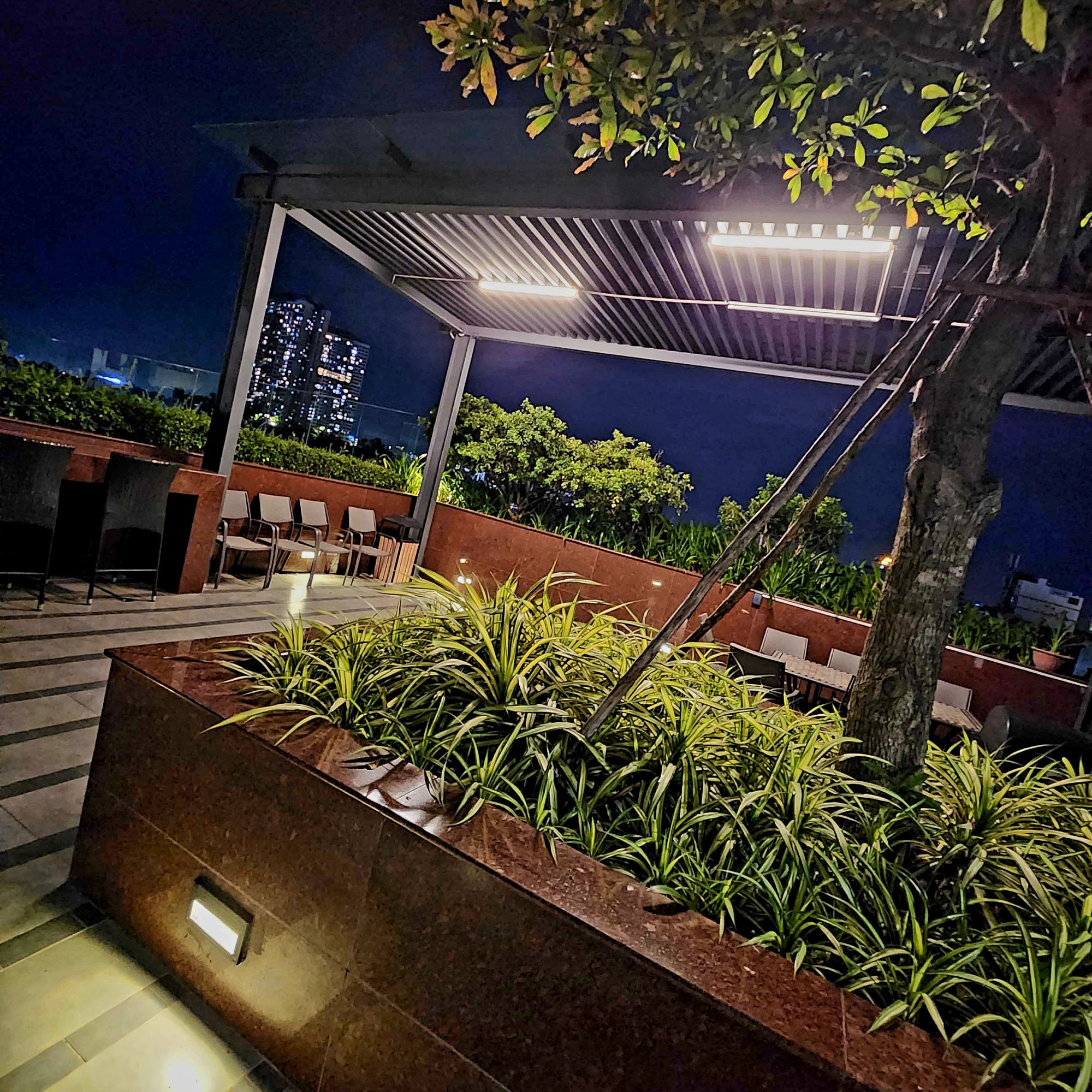
A finished outdoor space looks effortless. Behind every clean patio edge, every graded slope, every planted bed that actually drains properly, there’s a sequence of decisions that started long before any equipment showed up. Get that sequence right, and the project runs smoothly. Miss a step early, and you’ll be paying to fix it later.
That’s worth understanding before you hire anyone or sign off on a design.
From Paper to Property
Here’s the thing: drawings are optimistic. They show a tidy version of a site that may have rocky soil, buried utility lines, poorly draining clay, or a grade running the wrong way. The gap between what’s on paper and what’s actually in the ground can be significant. Experienced Landscape Contractors know to read the real site, not just the plan, before a single shovel breaks ground. That initial read shapes everything that follows, from how the grading gets handled to where plants actually end up.
Site Analysis Comes First
Most people skip past this step in their minds. It doesn’t feel exciting, but contractors who do it properly walk the entire property before anything else, checking soil conditions, tracing drainage patterns, and flagging low spots where water tends to collect. Utility maps get reviewed, and root zones get noted.
This isn’t box-checking, it’s sequencing. Knowing where the problem areas are, whether that’s a shallow water table, compacted hardpan, or a tree root system that cuts through the work zone, lets the crew build a realistic schedule that doesn’t unravel halfway through. Projects that skip this tend to hit expensive mid-project surprises. And those surprises almost always show up at the worst possible time.
Translating the Design Into a Work Plan
Once the site is properly understood, the design gets converted into a field plan with actual numbers. Dimensions confirmed. Material quantities calculated. Task order mapped out. Hardscape work comes before planting. Irrigation lines go in before the topsoil is spread. The conduit for lighting gets placed before the pavers are set.
None of that sequencing is arbitrary. Installing things out of order means tearing out finished work, which is slow and costly. A well-structured work plan gives the crew clear daily direction and reduces the kind of rework that quietly inflates project budgets.
Sourcing and Staging Materials
Logistics on a landscape project are more complicated than they look. Plants can’t arrive too far ahead of schedule, or they sit in the heat without proper care and deteriorate before they’re even in the ground. But they can’t be late either, or they hold up the planting phase while the rest of the crew waits. Hardscape materials, stone, pavers, and gravel, need to be staged in a way that keeps access open and limits unnecessary double handling.
Contractors with solid supplier relationships can absorb the backorders and quality substitutions that happen on nearly every mid-size project. The ones who can’t end up making material decisions under pressure, and those decisions don’t always hold up. Knowing which alternatives are acceptable and which ones quietly undercut the original design intent is a skill that comes from experience.
The Installation Phase
With staging done and materials on site, the physical build begins. Grading and excavation go first, laying the groundwork. Structural elements, walls, edging, and raised beds follow. Then, hardscape surfaces, irrigation, soil amendment, and finally planting.
Throughout it all, quality checks matter. Drainage slopes have to meet tolerances. Plant spacing needs to follow the spec. Compaction standards for base layers under hardscape can’t be guessed at. Errors caught mid-installation are a minor inconvenience. The same errors found after completion are a real problem.
The weather doesn’t cooperate on a schedule. Rain can delay grading work or slow concrete curing. Heat waves put stress on newly installed plants before they’ve had a chance to establish. Experienced crews know when to work through it and when to pause, and they keep the client informed rather than just hoping for the best.
Final Walkthrough and Handoff
Installation finishing doesn’t mean the job is done. A proper walkthrough lets the client review every element against the original plan and flag anything that needs adjustment before the project is formally closed out. Punch list items get documented, addressed, and verified.
Good contractors also take time to walk through basic maintenance guidance at this stage. Watering schedules for new plantings, care notes for specific species, and irrigation system settings. According to the National Association of Landscape Professionals, professionally installed and maintained landscaping can increase curb appeal value by up to 17 percent. Protecting that outcome starts with a solid handoff conversation, not just a finished install.
Why the Process Matters
Design is one part of the equation. The rest is execution. Accurate site reading, logical sequencing, disciplined material management, and consistent installation standards are what turn a plan into something durable. Without that backbone, even a well-drawn design can fall apart in the field.
Knowing what good execution looks like makes it easier to evaluate bids, ask sharper questions, and recognize which contractors have the depth to back up their promises. That knowledge is worth having before the contract is signed.